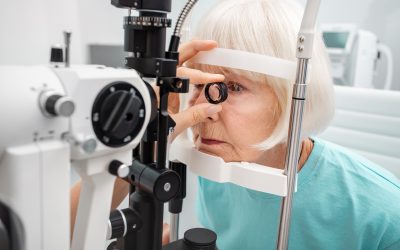
Ophthalmology is a medical specialty focused on comprehensive medical and surgical care of the eyes and vision. In addition to performing routine eye exams and prescribing glasses and contact lenses, ophthalmologists are fully-licensed medical doctors who also diagnose and treat eye diseases, perform eye surgeries, prescribe medications, and can identify systemic health problems linked to eye conditions, such as diabetes and hypertension.
Ophthalmology vs. Optometry
While both optometrists and ophthalmologists provide primary vision care, the main difference between these eye care professionals is their level of education and the scope of care that they provide.
Optometrists complete four years of optometry school after completing their bachelor’s degree, whereas ophthalmologists complete medical school, an internship and a residency. This additional training allows ophthalmologists to provide medical and surgical treatments for complex eye issues, like glaucoma, cataracts, and retina problems.
When to See an Ophthalmologist
If you experience blurry vision, floaters, flashes of light, eye pain, double vision, or loss of peripheral vision, it’s important to see an ophthalmologist immediately. These symptoms could point to serious eye conditions, such as retinal detachment, corneal damage, or optic nerve disease. Fortunately, most patients are able to start their vision care with an optometrist, and are only referred to ophthalmology if advanced care is needed.
Your optometrist will perform annual eye exams, prescribe eye glasses or contacts, and refer you to an ophthalmologist if you develop more serious eye conditions or need surgery. In some instances, your primary care provider may also refer you to an ophthalmologist to manage eye complications from other conditions, such as diabetes or high blood pressure.
Common Reasons for Referral to an Ophthalmologist
- LASIK – Specialized vision correction surgery to reduce or eliminate the need for glasses or contacts.
- Cataracts – Common, age-related condition where the eye’s normally clear lens becomes cloudy, often requiring surgery.
- Glaucoma – Condition that damages the optic nerve and requires medication, laser therapy or surgery to lower eye pressure.
- Macular Degeneration – Common, age-related condition that damages the macula, or central part of the retina, requiring specialized treatment.
- Diabetic Retinopathy – Complication of diabetes that damages retina blood vessels, often treated with injections, laser therapy or surgery.
- Corneal and Retinal Issues – Cornea or retinal tears, retinal detachment, dry eye syndrome, corneal infections, flashes or floaters.
- Strabismus (Crossed Eyes) – Misalignment of the eyes, sometimes requiring injections or surgery to adjust eye muscles.
Make an Ophthalmology Appointment in Virginia Beach, VA
TPMG Ophthalmology offers comprehensive vision care in Virginia Beach, VA. Our ophthalmologists are board-certified and dedicated to providing compassionate and advanced, patient-centered care for a variety of eye conditions and disorders. To make an ophthalmology appointment in Virginia Beach, VA, call the TPMG Ophthalmology Center at (757) 440-1144.