Ever wonder how often you should get an eye exam? According to TPMG board-certified ophthalmologist Dr. Dawnielle J. Kerner, the guidelines vary dependent on age.
Eye Care during Childhood and Adolescence
For children, the recommended age for visits to an eye doctor include at birth, between six and twelve months, at three years of age, before the child is ready to enter school, and then again in their early teens.
Parents should place just as much importance on pediatric eye care as they do on routine vaccinations and pediatric development visits. Generally, infants need to have their first office eye exam at six months of age. During an exam, the eye doctor will check for a family history of eye disease, observe the child’s eye movements, and examine the child’s eyes to look for any discharge or signs of infection.
Nearly 80 percent of information children receive in the classroom is presented visually, which is why routine eye exams are critical for children before entering school. At three years of age, an ophthalmologist will look to see if the child’s eyes are healthy, and that they have no vision problems that could interfere with school performance. This includes visual acuity at all distances, accurate eye movement, and focusing skills. Children who have normal vision with no correction needed should have an eye exam every two to three years. Those who need eyeglasses should be examined annually by their eye doctor.
Once puberty hits, the eyes undergo changes, which is an important reason why teenagers should have their eyes checked at least once during this developmental stage. Vision problems can occur due to an imbalance in hormones, but once hormones stabilize, so should vision. Other common eye issues that develop in teens include dry eye syndrome, UV light damage, nearsightedness, and sports-related injuries. The development of nearsightedness, myopia, is correlated with screen time (computers, gaming systems, tablets) and is lessened with time spent outdoors.
Eye Care in Adulthood
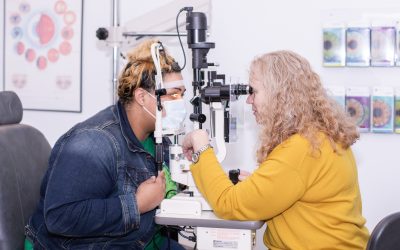
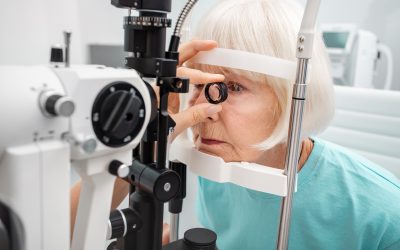
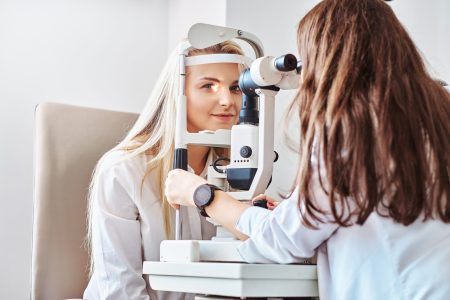
As we age our eyes don’t perform like they used to, and periodic eye exams play an important role in preventative eye health. During an adult eye exam, an ophthalmologist will review your eye history, any corrective measures, overall health, and current medications. They will also perform a variety of tests on the eye to determine any changes in vision, this includes a refraction test, a colorblindness test, a glaucoma test, and examine your eyes front to back, from corneas to retinas and optic nerves. These tests will help your doctor identify any abnormalities or detect a condition that may need treatment.
Maintaining Eye Health
Early detection and the frequency of eye screenings are the best preventative measures to maintain proper eye health and avoid vision loss.
The majority of work and sports-related eye injuries occur from not wearing safety glasses. Be sure to wear eye protection when working with tools, operating machinery, and engaging in sports activities.
According to the American Academy of Ophthalmology, the leading cause of blindness is age-related diseases such as macular degeneration, diabetic retinopathy, and glaucoma. Studies have shown that regular exercise can reduce the risk of age-related macular degeneration.
By maintaining a healthy lifestyle, watching for changes in vision, and having your eyes checked at the appropriate times, you can avoid vision loss and continue to maintain optimal eye health.