Many of us tend to put off trips to the ophthalmologist. Maybe we’re too busy at work, maybe we’re planning to call the doctor’s office, but we just haven’t gotten around to it, or maybe we simply forgot about the appointment altogether. Whatever the reason, taking a trip to the eye doctor could make all the difference when it comes to identifying glaucoma often nicknamed the “silent thief of sight”.
What is Glaucoma?
Glaucoma is an eye disease marked by damage to the optic nerve, potentially resulting in vision loss or blindness if not diagnosed and treated promptly. Damage is typically caused by the accumulation of fluid in the front of your eye, leading to increased pressure and eventual damage. This damage can lead to vision loss and, in severe cases, blindness. The American Academy of Ophthalmology refers to glaucoma as the “sneak thief of vision” because most forms of glaucoma are virtually undetectable except by screening in the office or once damage has already been done.
What is the Most Common Type of Glaucoma?
There are various types of glaucoma, however, the most common type is open-angle glaucoma, which occurs when the eye doesn’t drain fluid properly, leading to buildup and increased pressure. Unfortunately, there are no signs or symptoms associated with this type of glaucoma until damage is done, which is why making a visit to the eye doctor is so important.
Can Vision Loss Caused By Glaucoma Be Reversed?
There are no current treatments that can reverse vision loss caused by glaucoma. Therefore, the most effective approach is to catch glaucoma early to prevent any potential damage. Experts agree that adults starting at age 60 years old should be screened for glaucoma annually.
Who is at Risk for Developing Glaucoma?
Some individuals are at an elevated risk for developing glaucoma. This includes those with a family history of glaucoma, individuals with a previous eye injury, a history of other related health issues including high blood pressure or migraines, and other factors that may increase your risk of glaucoma. During your next eye appointment at TPMG Ophthalmology, consider having a discussion with your ophthalmologist about what factors could increase your risk of glaucoma and talk to your family about any family history of glaucoma or other health conditions.
What is Glaucoma Screening?
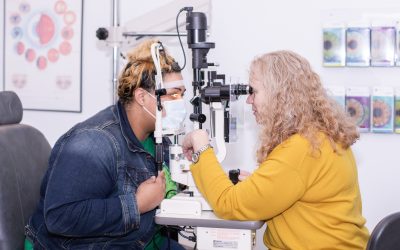
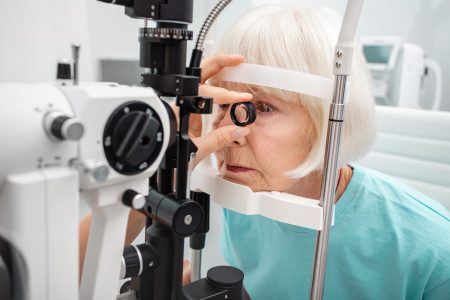
Screening for glaucoma involves a range of tests to examine your eye pressure (tonometry), the back of the eye (ophthalmoscopy), the visual field (perimetry), the eye’s drainage angle (gonioscopy), and the thickness of the cornea (pachymetry). These tests will help your ophthalmologist understand more about your eyes and identify the very early signs of glaucoma so that you can begin treatment.
“People like to say that what you don’t know won’t hurt you, but in medicine, what you don’t know can kill you and blind you,” said board certified ophthalmologist Dawnielle J. Kerner, MD with TPMG Ophthalmology Center in Virginia Beach, VA. Early detection of glaucoma can slow down, and in some cases stop the progression of the disease, often before any damage is done.
What Treatments are Available for Glaucoma?
The treatment for glaucoma differs based on the type of glaucoma you have. For primary open-angle glaucoma, a procedure known as selective laser trabeculoplasty (SLT) is now preferred over traditional eye drops. Research indicates that after five years post-treatment, patients who received SLT experienced lower intraocular pressure, less deterioration in their visual field, and a lower likelihood of requiring major surgical interventions compared to those who used eye drops as their first treatment of choice. Other treatments include drops, pills, and in some cases, surgery depending on your condition. Talk with an ophthalmologist about what treatment will work best with you.
Following up with an ophthalmologist is also incredibly important for slowing the progression of the disease. A study conducted by Stanford revealed that patients who routinely used their prescribed eye drops but had irregular follow-up visits experienced worse long-term results compared to patients who didn’t use their drops well but maintained regular follow-up visits. By making appointments to see their doctor, patients could take advantage of greater access to other treatments to keep their pressures low.
In addition to treating glaucoma, your eye doctor may suggest treating other associated health conditions like high blood pressure with your primary care physician. By addressing those conditions, you can also improve your glaucoma treatment.
Glaucoma Treatment & Prevention in Virginia Beach & Newport News, VA
While glaucoma-related vision loss is currently irreversible, researchers around the world are currently working to find ways to potentially reverse it. Currently, the best way to stop the “sneak thief of sight” is to get screened. One way we can encourage others to begin screening for glaucoma is to raise awareness surrounding the condition and the potential side effects of postponing treatment. Have a conversation with your family members about glaucoma to learn your risk. Keep an eye out for concerning symptoms of vision loss in your loved ones.
Glaucoma is the leading cause of preventable blindness, but our takeaway should be that it is preventable if caught early. Contact TPMG Ophthalmology in Newport News at (757) 223-5321 or TPMG Ophthalmology in Virginia Beach at (757) 440-1144 to learn more about how you can get screened.

About Dawnielle J. Kerner, MD
Dawnielle J. Kerner, MD, is a highly-skilled, board certified ophthalmologist with over 20 years of clinical experience. Dr. Kerner has a special interest in treating patients with glaucoma; this includes patients 12 years of age and older with congenital glaucoma. As an active member of several organizations, including the American Academy of Ophthalmology and The American Society of Cataract and Refractive Surgeons, she is passionate about educating others on all types of vision and eye conditions. She is currently accepting new patients at her office, The Ophthalmology Center in Virginia Beach, VA.