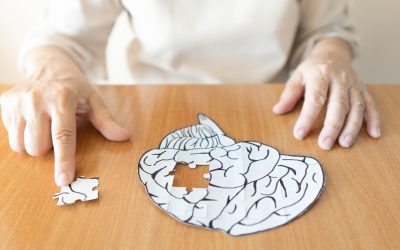
For many Americans, developing dementia is a real fear. According to Alzheimer’s Disease International, someone in the world develops dementia every three seconds. Certain factors can increase your risk for dementia, such as family history, age, and medical history. While some risk factors are unavoidable, researchers have found that making certain lifestyle adjustments can dramatically reduce your risk for developing dementia. Addressing mental health, cardiovascular health, alcohol intake, sleep health, and other factors has shown significant results. However, new research also suggests that unaddressed hearing loss could also be associated with dementia.
How Does Hearing Loss Affect Our Health?
In the United States, hearing loss is approximately twice as common as diabetes and can affect many aspects of your health. The inner ear is responsible for more than just hearing. It houses the entire auditory system, which helps us maintain balance. Throughout the day, our ears take in thousands of tiny auditory signals that help our brain understand the body’s spatial awareness. When your hearing is diminished, you receive fewer signals, which can cause equilibrium issues and instability. Inner ear issues can also cause problems for your vestibular system, which can lead to dizziness, vertigo, nausea, and even vomiting.
Because balance is closely tied to our hearing ability, even mild cases of hearing loss can triple your risk of falls, especially for older adults. Hearing loss can also cause brain strain and atrophy, diverting cognitive resources from other important brain functions like spatial awareness and balance, which increases your risk of falls.
Hearing loss can also cause social isolation. When adults cannot engage fully in social environments, it can lead to feelings of frustration, loneliness, and isolation, which affect overall mental health. Those who suffer from untreated hearing loss have a 47% higher risk of developing depression, according to one study conducted by Reuters Health.
How are Hearing Loss and Dementia Related?
Numerous medical studies have identified a relationship between hearing loss and an increased risk of dementia, particularly Alzheimer’s disease (AD). Johns Hopkins Medicine researchers found that the brain scans of individuals with hearing loss showed a faster rate of brain atrophy. One study even found that individuals with only mild cases of hearing loss are twice as likely to develop dementia. Those with severe or moderate hearing loss had an even higher risk.
So why are hearing loss and dementia connected? Hearing loss is shown to increase an individual’s cognitive load and increase social isolation, both factors that contribute to the development of dementia. Other studies found that those who experienced hearing loss had increased protein (phosphorylated tau) in their cerebrospinal fluid, which could be an initiator for AD. However, no concrete evidence conclusively links this protein to an increased risk of AD so far.
What Can I Do About Hearning Loss Before it Affects My Health?
Early intervention for hearing loss is key for effective management of the condition. Early signs of hearing loss include:
- Hearing muffled speech or other sounds
- Often needing others to speak up, speak more slowly, or repeat themselves during conversation
- Trouble understanding conversation, especially in louder places like restaurants
- Needing to turn up the volume on electronics
- Ringing in the ears (tinnitus)
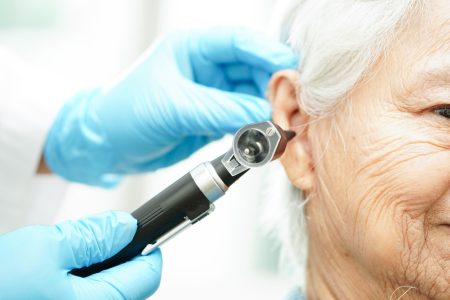
If you’re concerned about your hearing, consult a TPMG audiologist for evaluation and testing. Diagnosis of hearing loss may include a physical exam, screening tests, app-based hearing tests, tuning-fork tests, and audiometer tests.
How Can You Prevent Hearing Loss?
The best way to protect your hearing is to be proactive. Don’t wait until you’re experiencing symptoms of hearing loss to make changes. Reduce your risk of noise-related hearing loss by wearing appropriate hearing protection in noisy environments.
As a general rule of thumb, if your environment is too loud to have a conversation with the person three feet away from you without raising your voice or leaning close to their ears, you’re probably in an environment that would require hearing protection. Motorcycles, lawnmowers, concerts, loud music in the car, or even construction noise can run the risk of damaging your hearing. It only takes 15 minutes in a loud environment for your hearing to be affected.
Not all hearing loss is noise-induced. To ensure you catch hearing loss before it becomes damaging, contact a TPMG audiologist with any hearing concerns.
Treatment for Hearing Loss in Hampton Roads, VA
You don’t have to live life with the volume turned up. TPMG Ear, Nose, and Throat Specialists offer comprehensive diagnostic hearing evaluations, hearing aid evaluations, hearing aid fittings, and more. Talk to a TPMG audiologist in Newport News, Suffolk or Williamsburg today about your hearing loss concerns and how you can protect your hearing and find treatment.
The information shared is not intended to be medical advice, nor is it meant to replace a professional consultation with a healthcare provider. The opinions expressed do not necessarily reflect those of TPMG or its providers and physicians.