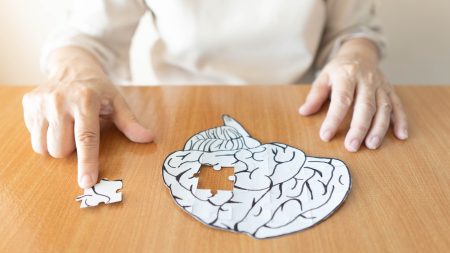
Everyone experiences moments of forgetfulness in their lives. While we might lose the keys or forget to defrost the turkey the night before, for some of us, the gaps in our memory have less to do with common forgetfulness and more to do with a degenerative condition, illness, or injury. Understanding what is normal and what’s abnormal could make a difference when it comes to early intervention and treatment for memory loss.
Age and Memory
Like many areas of our lives, our memory changes as we age. As we grow older, it’s common to experience mental “fogginess” or delayed recall that you might not have experienced in your twenties. Just as the rest of the body makes changes, so does the brain. Age-related memory loss may manifest as delayed recall, misplaced belongings, or difficulty completing tasks that were once routine, like remembering to pay bills. While frustrating, these symptoms are typically not indicative of any serious underlying problem.
“We all have imperfect memories,” says Dr. Maria Guina, a fellowship trained, board certified neurologist in Williamsburg, VA. “The trick is to identify when memory loss is being caused by something more serious than simple aging.”
What Else Could Be Causing My Cognitive Impairment?
While Alzheimer’s disease is widely recognized as a well-known condition linked with memory loss, there are a host of other conditions, medications, substances, and factors that can lead to cognitive deficiencies. Some common culprits responsible for memory issues include:
- Alcohol use
- Vitamin deficiencies
- Depression
- Head injury
- Hypothyroidism and other endocrinological issues
- Untreated infection or illness (syphilis, etc.)
- Side effects from medication
- Sleep disorders
- Alzheimer’s disease
- Vascular dementia (relating to a stroke)
- Other forms of degenerative dementia
When Should I See a Doctor for Memory Loss?
There is a way to differentiate between normal forgetfulness and cognitive decline associated with aging or mental “fogginess.” Oftentimes, loved ones or caregivers are the first to notice memory before we do. If you or someone you care about has experienced memory issues that have impacted their quality of life, it’s advisable to seek medical advice sooner rather than later. Here are some signs that may indicate that you or a loved one needs further evaluation:
- Asking the same questions over and over again
- Trouble navigating familiar areas
- Problems following recipes or instructions
- Increased confusion
- Declining self-care (poor eating habits or hygiene)
Contrary to popular belief, many conditions causing memory loss are reversible. By seeking the appropriate intervention, many individuals can often regain mental clarity. Therefore, it’s imperative for those experiencing unusual lapses in memory to speak with a TMPG Neurologist.
Memory Loss Treatment
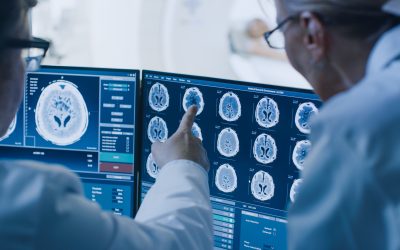
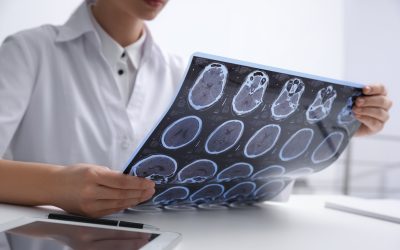
Before treatment can begin, one must first determine the underlying cause of memory loss, as it is merely a symptom rather than a standalone condition. Finding the cause of memory loss will likely begin with an evaluation to assess the impact of memory issues on the patient. Doctors will likely ask about the patient’s medical and personal history. Further testing may involve cognitive testing to help a specialist evaluate mental status through reading, writing, orientation, and short-term memory tests. Specialists may also order blood tests, imaging of the brain, psychological evaluation, or an electrical study of the brain.
Since there is no one-size-fits-all treatment for memory loss, addressing the underlying cause will be the primary focus of the treatment plan once it has been identified by your physician.
How Can I Prevent Memory Loss?
“It’s important to be proactive,” say Dr. Guina. “There are various ways to promote healthy aging, such as participating in physical activity, engaging in mentally stimulating tasks, socializing, getting a healthy amount of sleep, limiting your use of alcohol and other dangerous substances, and following medications as prescribed.”
Those who want to preserve their memory should also take care of their mental health, as some memory problems stem from underlying psychiatric conditions. When it comes to diet, the Mediterranean diet consisting mainly of whole fats, whole grains, fruits, vegetables, beans, nuts, and seeds has been shown to offer cognitive advantages for memory function, as well.
While acting proactively can help, some people will experience memory issues regardless of their diet or lifestyle. If you’re concerned about your or a loved one’s memory loss, don’t hesitate to request an evaluation. Talk to a TPMG Neurologist in Williamsburg, VA about whether or not your memory loss could be cause for concern.

About Maria Guina, MD
Maria Guina MD, is a fellowship trained, board certified neurologist who treats all neurological conditions including Alzheimer’s disease, dementia, Parkinson’s disease (PD), multiple sclerosis (MS), seizures, epilepsies, stroke, migraines and other types of headaches, among other neurological disorders. Her special interests include epilepsy, Women’s health, neurotoxin treatment for spasticity, and movement disorders.
Dr. Guina practices at TPMG Neurology at Williamsburg.