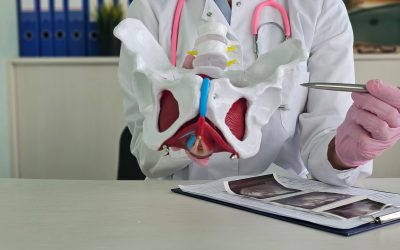
Each year, millions of individuals experience pelvic floor dysfunction. Despite their prevalence, pelvic floor disorders can significantly damage an individual’s self-confidence and independence, while also causing pain, urinary incontinence, mobility issues, and more.
If you’re struggling with pelvic floor issues, you aren’t alone. Take the first step toward lasting relief and renewed confidence by exploring treatment options for pelvic floor disorders. At Tidewater Physicians Multispecialty Group (TPMG), our experienced physicians and providers offer a full spectrum of pelvic floor care and urogynecology services to restore function and support optimal pelvic health.
Pelvic Floor Disorders We Treat
At TPMG, our specialists evaluate and treat the full range of pelvic floor disorders, including:
- Pelvic organ prolapse
- Bladder prolapse (cystocele)
- Uterine prolapse
- Vaginal vault prolapse
- Rectocele
- Stress urinary incontinence
- Urge incontinence / overactive bladder
- Mixed incontinence
- Recurrent prolapse after prior repair
- Pelvic floor dysfunction and pelvic pain
Symptoms of Pelvic Floor Disorders
It’s not uncommon for individuals to dismiss symptoms of pelvic floor disorders as an inevitable part of aging or childbirth. The truth is that many of these symptoms are not normal and do warrant evaluation. Common symptoms include:
- Incontinence (leaking urine when coughing, sneezing, laughing, or exercising)
- Pressure, heaviness, or bulging in the pelvic region
- Difficulty emptying the bladder or bowel completely
- Low back or pelvic pain
- Increased urgency to use the restroom
- Tissue visible or protruding from vaginal openings
- Sexual dysfunction
- Recurrent UTIs
- Reduced vaginal sensation
If you’re experiencing any of these symptoms, contact a TPMG provider today to find a path toward resolving them.
Treatment Options for Pelvic Floor Disorders
Treating pelvic floor disorders often calls for a multidisciplinary approach that may include physical therapy, medication, lifestyle modification, and nonsurgical/surgical intervention. At TPMG, our pelvic floor specialists tailor treatment plans to fit each patient’s individual needs, always considering the least invasive approach that will effectively restore function and improve quality of life. Possible treatments include:
- Physical Therapy
Our experienced physical therapists assess deficits in the pelvic floor muscles and provide instruction in various pelvic floor strengthening exercises and stretches. Pelvic Floor Muscle Training (PFMT) is often the first-line treatment for incontinence and mild prolapse, proving successful for many patients while reducing the need for more invasive treatments.
- Biofeedback Training
Often used alongside physical therapy, biofeedback training uses sensors and video monitoring to identify muscle deficits and offer solutions to strengthen pelvic floor muscles.
- Pessary Fitting
A pessary is a small, removable silicone device used to manage vaginal prolapse without surgery. Worn inside the vagina, this tool works to hold organs like the bladder or uterus in place.
- Medication
Some individuals with pelvic floor disorders benefit from medication to help regulate bowel movements or address bladder control issues.
- Urodynamics Testing
There are many possible causes for pelvic floor disorders. Urodynamics testing evaluates your bladder and urethral function to determine the cause of symptoms such as urine leakage, frequent urination, inability to empty the bladder, and more. This series of tests examines the volume and speed of urine output, gauges the pressure inside your bladder, records your pelvic floor’s electrical activity, and measures how hard your muscles work to empty the bladder.
- Sling Procedures
Designed for patients with stress urinary incontinence, this minimally invasive outpatient procedure involves placing a supportive device beneath the urethra to allow the urethra to fully close.
- Robotic Abdominal Sacrocolpopexy
As the gold-standard surgical repair for vaginal vault prolapse, this procedure utilizes the da Vinci robotic platform to restore natural position and function to the pelvic floor. Robotic sacrocolpopexy offers greater precision, minimal blood loss, pain reduction, and faster recovery.
- Laparoscopic Pelvic Reconstruction
Another minimally invasive option, laparoscopic pelvic reconstruction allows surgeons to lift pelvic organs and anchor them to stronger ligaments or bones without making large abdominal incisions. This approach is associated with fewer complications, less pain and scarring, and quicker recovery.
- Laparoscopic Hysterectomy
A laparoscopic hysterectomy removes the womb through small, minimally invasive incisions. Often performed in combination with a pelvic floor repair, this procedure is designed for patients with uterine prolapse or coexisting gynecologic conditions.
Not every patient is a candidate for every treatment. Mild to moderate prolapse can often be managed non-surgically with physical therapy, lifestyle adjustments, or a pessary. To determine which forms of treatment approach may be right for you, contact a trusted TPMG provider.
Treatment for Pelvic Floor Disorders in Hampton Roads, VA
Don’t let pelvic floor dysfunction control your life. Talk to the qualified pelvic floor specialists at TPMG to learn more about evaluation and treatment options.
Locations
Newport News
- TPMG Obstetrics & Gynecology 860 Omni Boulevard, Suite 110, Newport News, VA 23606 (757) 223-9794
- TPMG Physical Therapy 11751 Rock Landing Drive, Suite 3, Newport News, VA 23606 (757) 223-9403
- TPMG Urology – Newport News 860 Omni Boulevard, Suite 107, Newport News, VA 23606 (757) 873-2562
Williamsburg
- TPMG Obstetrics & Gynecology 4125 Ironbound Road, Suite 201, Williamsburg, VA 23188 (757) 206-2680
- TPMG Williamsburg Urology 5424 Discovery Park Boulevard, Building B, Suite 203, Williamsburg, VA 23188 (757) 345-6223
Hampton
- TPMG Obstetrics & Gynecology 2240 Coliseum Drive, Suite B, Hampton, VA 23666 (757) 223-9794
White Marsh
- TPMG Middle Peninsula Women’s Care 4844 George Washington Memorial Hwy, Suite 8, White Marsh, VA 23183 (804) 693-4410
The information shared is not intended to be medical advice, nor is it meant to replace a professional consultation with a healthcare provider. The opinions expressed do not necessarily reflect those of TPMG or its providers and physicians.