Have you experienced numbness or tingling in your fingers? Or perhaps eye pain accompanied by blurry vision. Maybe you notice lightheadedness when you stand up. The signs of any neurologic condition would be cause for concern; however, some early signs of multiple sclerosis (MS) might go unnoticed if you don’t know what to look for. Furthermore, like many forms of neurologic diseases, early detection is critical, as it allows for prompt treatment to manage symptoms and prevent further progression of the condition.
What is Multiple Sclerosis?
Multiple Sclerosis (MS) is an autoimmune neurologic condition affecting the nervous system. Our body uses nerves to communicate information to the brain. Individuals with MS undergo an immune response that causes the breakdown of the protective myelin covering of the nerves, which disrupts communication between the body and the brain. While there is no current cure for those with MS, there are treatments to modify the disease course and reduce symptoms. Identification of MS is critical to begin these treatments and prevent further and even permanent damage to the body’s nerves.
What are the Symptoms of Multiple Sclerosis?
The symptoms of MS present in various forms, which can make it particularly difficult to identify. Some of the most common symptoms include:
- Eye pain with blurred vision
- Fatigue
- Muscle weakness
- Numbness or tingling
- Vertigo or dizziness
- Cognitive or memory problems
- Balance issues
Symptoms of MS can also vary or evolve over time, depending on the advancement of the disease and other factors. MS symptoms can also mimic other diseases and conditions, complicating the diagnosis process. Lyme disease, sarcoidosis, vasculitis, stroke, and other autoimmune inflammation can present symptoms similar to MS. Even still, some patients with MS may remain asymptomatic and can only reach a diagnosis after radiologic testing. To ensure you receive an accurate diagnosis, you should consult a board certified TPMG neurologist in Williamsburg and Newport News, VA.
Diagnosing Multiple Sclerosis
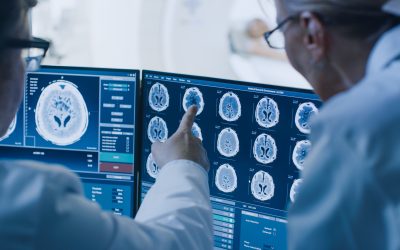
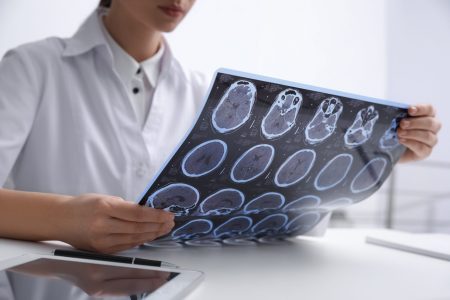
To diagnose MS, your doctor will start by gathering a comprehensive medical history by asking you questions about your symptoms, family history, and previous health issues. Following this, you’ll likely undergo a neurological exam. Using MRI technology, your provider will look for lesions that indicate damage to the myelin sheath covering your nerves. Modern imaging technology can often detect minute traces of these lesions, sometimes before they’ve had a chance to cause damage and patients begin experiencing symptoms. After the MRI, a lumbar puncture may also be utilized. Given the variety of other conditions that mimic the symptoms of MS, your doctor may also order bloodwork to rule out other causes of your condition.
Treating Multiple Sclerosis
Once a doctor has diagnosed you with MS, they will work with you to formulate an individualized treatment plan to prevent disease progression, manage your symptoms and improve your quality of life. While it can be scary to receive a diagnosis of a condition without a known cure, identifying the illness allows patients access to a better quality of life and prevents disease progression.
“I understand that some people are scared about getting diagnosed (with MS), but it doesn’t have to mean traditional therapies. There’s room for all sorts of treatment depending on what you’re comfortable with,” said fellowship trained, board certified Neurologist, Maria Guina of TPMG Neurology at Williamsburg.
Multiple Sclerosis Treatment in Williamsburg & Newport News, VA
If you are concerned about recent neurological symptomsm don’t delay in scheduling a consultation. For many conditions, not just MS, timing is important for effective treatment and greater quality of life. Contact TPMG Neurology at Williamsburg or TPMG Neurology in Newport News to schedule an appointment.

About Maria Guina, MD
Maria Guina MD, is a fellowship trained, board certified neurologist who treats all neurological conditions including Alzheimer’s disease, dementia, Parkinson’s disease (PD), multiple sclerosis (MS), seizures, epilepsies, stroke, migraines and other types of headaches, among other neurological disorders. Her special interests include epilepsy, Women’s health, neurotoxin treatment for spasticity, and movement disorders.
Dr. Guina practices at TPMG Neurology at Williamsburg.