While it may be uncomfortable to think about our colorectal health, screening for conditions, such as colon cancer, saves lives every day. Even though colorectal cancer is the second-leading cause of cancer-related deaths in the U.S, it’s also highly preventable when diagnosed and treated early.
How do you screen for colorectal cancer?
There are multiple ways to screen for colorectal cancer. The American Cancer Society differentiates colorectal screening into three categories:
- Stool tests
These are easy, non-invasive tests that examine your stool for signs of colorectal cancer. Small amounts of blood, cell changes, and other signs could indicate colorectal cancer or polyps.
- Visual examination
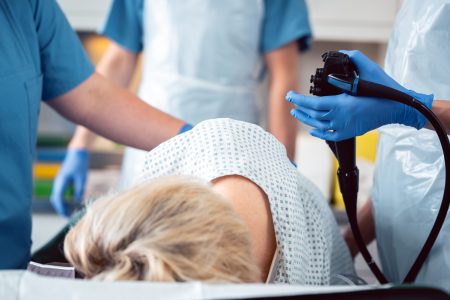
In some cases, your provider may need to look inside the rectum and colon to check for any abnormalities. Colonoscopy, sigmoidoscopy, and CT colonography are all advanced tests that use scopes, imaging technology, and small video cameras to provide your doctor with a detailed look into your colon and rectum.
- Blood tests
Blood testing can also detect certain signs of colorectal cancer; however, FDA-approved blood tests are more accurate for detecting signs of colorectal cancer, rather than precancerous polyps.
To understand what type of screening may be best for you, consult a trusted healthcare provider.
Who needs colorectal cancer screenings?
The US Preventive Services Task Force recommends that adults aged 45-75 be screened for colorectal cancer. Those with increased risk of colorectal cancer due to factors such as family history, genetic syndromes, and a history of cancer should consult a trusted physician for further recommendations.
Why is colorectal cancer screening important?
Colorectal cancer screening detects precancerous polyps earlier than ever before. When cancer is found, it’s typically in its earliest stages, making it much easier to treat and far less dangerous. Detecting precancerous polyps means patients don’t require more aggressive, often expensive treatment. By undergoing recommended colorectal cancer screening, you could spare yourself costly and invasive additional treatment.
Colorectal Cancer Screening in Hampton Roads, VA
Don’t let colorectal cancer remain unaddressed. Contact the TPMG Center for Colorectal Surgery in Newport News, VA for more information on colorectal screening and help understanding your risk of colorectal cancer.
The information shared is not intended to be medical advice, nor is it meant to replace a professional consultation with a healthcare provider. The opinions expressed do not necessarily reflect those of TPMG or its providers and physicians.