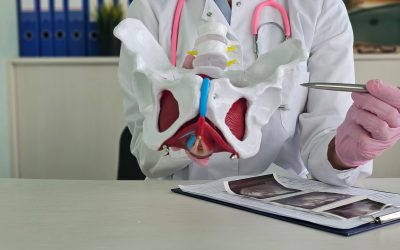
An Intrauterine Device (IUD) serves as a form of birth control that consists of a small device designed as a long-acting form of contraception. Unlike the shot or the pill, IUDs are inserted into the uterus by a qualified healthcare provider, which requires a trip to your doctor’s office. TPMG Obstetrics and Gynecology offers IUD insertion services in Hampton, Newport News, White Marsh and Williamsburg, VA.
Preparing for Your IUD Insertion Appointment
Before your appointment, you will have a consultation to discuss any fears or questions you have about the procedure. Your provider will explain the risks and benefits associated with the IUD device, what precautions you should take with the device, what follow-up you may be required, what to bring with you during your insertion appointment, and more. You will have the opportunity to discuss your preferred IUD. TPMG offers both hormonal and non-hormonal IUDs in addition to other forms of birth control. This appointment will equip you with the knowledge needed to understand what to expect during and after your appointment.
“Having the opportunity to simply talk about IUD insertion first alleviates so much anxiety behind the actual placement and procedure,” says board certified family nurse practitioner Destinee Himes, MSN, FNP-BC with TPMG Obstetrics and Gynecology in Newport News. Many of the fears associated with the procedure are a result of unanswered questions. To ensure that you are confident in your birth control choice, please bring up any concerns you may have with your provider.
IUD Insertion Process
- When you arrive at the office, you’ll be checked in and escorted by one of our staff members to a private exam room. Your provider will address any final questions you may have and ask you to sign a consent form for the procedure. The only individuals permitted in the room will be your provider and, if necessary, a medical assistant or nurse to improve efficiency, and a support person to accompany you, if desired. Afterwards, you’ll prepare for the procedure by changing into a gown and lying down on the examination table. A medical assistant or nurse will offer you a drape to cover your waistline. (Patients change into a gown and are provided with the drape prior to provider entering room, typically).
- Once covered, your provider will insert a speculum into the vagina to visualize the cervix to place the device. To ensure the environment is sterile, your provider will cleanse with betadine and then spray the area with lidocaine to numb the external cervix.
- Once numbed, your provider will use a tool to clamp the cervix to keep it in place and then insert a device to measure the cervix. Since our bodies come in all shapes and sizes, it’s important to take some measurements to understand how deep the uterus is. Proper measurement will help prevent the IUD from being dislodged or moving out of place.
- After you’ve been measured, your provider will remove the measurement device and prepare whichever IUD device you’ve chosen. They’ll set the insertion instrument to the correct measurement and insert it in the cervix.
- Once inserted, your provider will release the IUD device so that it sits nicely in the uterus and then remove the instrument. The clamp is then removed. After removal, the strings attached to the IUD are trimmed approximately three centimeters from the cervix.
- Once the clamp is removed, occasionally, patients may have light bleeding. Pressure is applied to the cervix for a few seconds to stop the bleeding, but occasionally a medication may be applied to the cervix to help stop the bleed. This is very common and happens because the cervix is a vascular tissue.
Is IUD Insertion Painful?
Overall, you will likely experience cramping during and after the procedure. We recommend taking ibuprofen the morning prior to the insertion, and to continue taking it every six to eight hours post-procedure as needed for discomfort. Your provider will likely discuss pain management options with you during your consultation before insertion. At TPMG, we can offer pre-medication like anti-anxiety and pain medication, depending on your needs. If you’re experiencing fears regarding pain during IUD insertion, make sure to address them with a trusted provider during your consultation appointment. We more commonly will prescribe a medication to help dilate the cervix prior to appointment. This alone can decrease your risk of discomfort with the insertion of an IUD. It makes it easier for measuring the uterus and for the device to be inserted.
Follow-up Care After IUD Insertion
After your IUD insertion, you can expect some cramping and spotting after the procedure. Cramping will typically be the worst during the first day of insertion, but can be ongoing for several days after. Ibuprofen is the gold standard for pain management after your IUD insertion. If you experience very bad cramping or pain post procedure, you should contact your provider. Additionally, if you experience heavy bleeding (soaking through more than one pad for two consecutive hours), foul smelling vaginal discharge, fever, or discomfort during intercourse, it’s a good idea to contact the office for next steps. If, for whatever reason, you learn that you are pregnant, you should immediately contact the office for options for IUD removal.
TPMG patients who receive IUDs in the office typically have a follow-up appointment approximately six to eight weeks following their insertion. During this visit, your provider can address any concerns you may have about your IUD, assist with any discomfort you may be experiencing, and discuss any symptoms, including bleeding or pain.
To prevent pregnancy, it’s advised that patients use condoms for at least 2 weeks or avoid intercourse in the days post-procedure. In some cases, the strings of the IUD can cause discomfort during intercourse. While the strings do soften over time, they can be uncomfortable initially. If you experience discomfort, mention it to your provider during your follow-up appointment and your provider will be able to trim the strings to prevent further discomfort.
During the follow-up appointment, your provider will also perform a string check. This is a quick, painless procedure in which your provider will use a speculum to visualize the cervix to make sure the strings of the IUD are hanging out from the cervix at the proper length, which indicates that the IUD is properly positioned. If your provider cannot visualize the strings, they may order an ultrasound to confirm the IUD’s placement. In some cases, the strings are cut too short, or they retract into the body, so an ultrasound will confirm the IUD has not been dislodged and rendered ineffective.
One common fear regarding IUD birth control is that the device will dislodge itself without the patient knowing. Expulsion occurs when your IUD either partially or completely falls out of the uterus. While IUD expulsion is possible, it’s also incredibly rare. You can check your IUD strings yourself to ensure that the device is still properly inserted or contact a TPMG provider to check and make sure, depending on your comfort level.
Choose TPMG for IUD Insertion in Hampton, Newport News, White Marsh & Williamsburg, VA
With all that is entailed with IUD contraception, you may be asking yourself if it’s worth it. When considering any form of birth control, it’s important to start your decision-making process with a confidential conversation with a trusted medical provider, where you discuss your goals, contraindications, medical history, and concerns. At TPMG, our trained medical professionals will be able to provide you with your options and recommend treatment that aligns with your health priorities. To schedule a birth control and IUD consultation in Hampton, Newport News, White Marsh or Williamsburg, VA, contact TPMG Obstetrics & Gynecology.

About Destinee Himes MSN, FNP-BC
Destinee Himes MSN, FNP-BC is a board certified family nurse practitioner with TPMG Obstetrics & Gynecology in Newport News. Destinee sees women for gynecological issues, contraceptive and family planning needs, and pregnancy. She removes IUDs, places Nexplanon, and performs PAP/HIV testing, STD screening, as well as cervical and clinical breast exams. She manages a variety of acute and chronic conditions including incontinence, perimenopause and menopause, vaginal infections, pelvic floor disorders, breast health, gestational diabetes, and more. She has a particular medical interest in the prevention and diagnosis of breast and gynecological cancers.