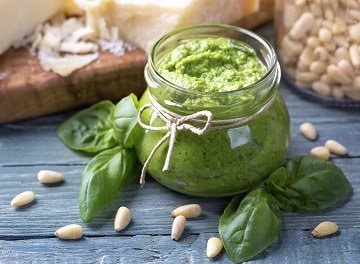
Basil Parsley Walnut Pesto
1 bag washed baby spinach
1/2-1 cup fresh basil
1/2-1cup flat-leaf (Italian) parsley
¼ cup toasted walnuts
¼ cup fresh parmesan or vegan parmesan
Salt and pepper to taste
Juice from ½ fresh lemon
¼ cup olive oil (may omit if following the oil-free diet)
4 cloves fresh garlic
Nutrition Facts
Serving Size: 2 Tablespoons Per Serving: 82 calories;
Protein 2g;
Carbohydrates 1.3g
Dietary fiber 0.6g
Sugars 0.1g
Fat 8g
Saturated fat 1.1g
Cholesterol 1.5mg
Vitamin a iu 954.1IU
Vitamin c 3.4mg
Directions
Add all ingredients to a blender or food processor. Add ¼ cup cool water- can add more depending on preferred consistency of pesto. Blend until creamy.
This is an excellent topper for pasta, roasted vegetables, or pizza. Mix with mayonnaise to make a cream ranch-like dip to eat with vegetables or as a sandwich spread.
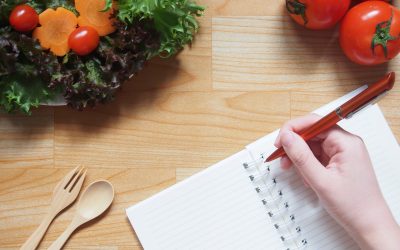
Life is incredibly stressful right now for all of us. We are heading into a year of pandemic life – something off our radar at the beginning of 2020. We never fathomed that social distancing, quarantine, COVID fatigue, or masks would ever be words in our vocabulary. The future remains uncertain, but hope seems to be on the horizon. In the meantime, what are some things that can make life less stressful and help us save a buck or two at the same time? The answer is meal planning and meal prepping.
Patients often tell me that their intentions to eat healthier are there, but plans fall apart due to a lack of planning. Intentions fall by the wayside when the dinner hour is approaching, stomachs are growling, and the nightly routines are looming. Menu planning is a great way to make sure you’re eating a balanced diet and meeting your nutritional needs. As every frugal cook knows, menu planning can save you time and money.
Planning and prepping meals in advance does not need to be overwhelming or time-consuming.
Three-Step Approach:
Step 1: Select your dinners – Start this process on a Friday evening with all family members involved. Ask what everyone is in the mood for to begin planning your grocery list. Aim to plan out a week’s worth of meals, including sides and desserts.
Step 2: Shop for ingredients on Saturday, if possible. Look for the weekly grocery store ads to find deals. Shopping seasonally brings you great deals in produce, usually in peak season.
Things to consider when you are planning meals:
- Calendar check. Determine which nights you’ll have time to cook and which nights you’ll only have time to reheat leftovers.
- Look for sales. What’s on sale this week at the supermarket?
- Shop your pantry. That can of beans at the back of the cabinet could be the starting point for any number of healthy meals.
- Think seasonal. What fresh produce is available this time of year? Is it salad season or soup weather?
- Mix things up. Keep the menu interesting by planning meatless meals or substituting breakfast for dinner. Consider alternating new recipes with old favorites.
- Picture the plate. Keep in mind that vegetables and fruits should cover half of your plate while lean protein should cover a quarter. The rest of your plate should be grains, preferably whole grains.
Step 3: Get food purchases prepped for the week. This process includes marinating proteins and preparing vegetables.
Looking Ahead
These steps may feel daunting at first. As the weeks go on, it will become second nature. These healthy habits will pay off financially and aid in chronic disease prevention. Frequently eating home-cooked meals is associated with greater adherence to DASH and Mediterranean diets, higher fruit and vegetable intake, higher plasma vitamin C, normal range BMI, and normal percentage body fat. People who consume home-cooked meals under three days a week more than five times are 28% less likely to have an overweight BMI and 24% less likely to have excess percentage body fat.
Source: Int J Behav Nutr Phys Act. 2017; 14: 109.