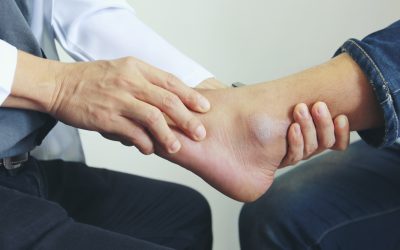
Sprains and strains, while similar, often require different treatments, sometimes even surgery, to heal properly. Understanding what distinguishes these conditions could make all the difference in the healing process and your overall function.
What is a Sprain?
Sprains are most common in the ankle and can vary in severity. Fibrous tissues called ligaments connect two bones at a joint and stabilize the area. Harsh, unnatural, or excessive movements can cause ligaments to stretch or tear, leading to a sprain.
Sprains are classified into 3 separate categories based on the severity of the injury:
- Grade 1 – Mild or slight tearing of the ligament. These sprains are characterized by tenderness, swelling, and/or stiffness. You may be able to put weight on sprains like these.
-
Grade 2 – More severe than grade 1, these sprains are characterized by moderate pain, swelling, and/or bruising. You may experience tenderness to touch, and putting weight on the injury should be painful and difficult.
- Grade 3 – As the most severe kind of sprain, these injuries often involve significant amounts of swelling and bruising. Individuals with grade 3 sprains may experience instability and an inability to walk or put any weight on the injury without the joint “giving out” and intense pain.
Treatment for your sprain will depend on the severity of the injury. Grade 1 and 2 sprains require the R.I.C.E. (rest, ice, compression, and elevation) method in addition to other measures, while those with grade 3 sprains require additional medical intervention, sometimes including a cast, brace, or even surgery. Without proper medical intervention, sprains can lead to permanent instability and loss of function. To determine what grade of sprain you may have, consult a TPMG Orthopedic provider for testing and diagnosis.
What is a Strain?
Conversely, strain injuries result from stretching or tearing a muscle or tendon rather than a ligament. Common strains affect the back, hamstrings, and calves. To best determine the nature of your injury, consult an orthopedic specialist for a physical exam, testing, and professional diagnosis.
Diagnosing Sprains & Strains
A medical professional can diagnose a sprain or strain during a physical examination, usually by assessing symptoms such as tenderness, swelling, bruising, and more. For some individuals, an X-ray or ultrasound may be needed to rule out fractures or other, more serious injuries. Cases that require surgery may call for further testing, such as an MRI.
Sprain & Strain Prevention
Sprains and strains are an incredibly common musculoskeletal injury. In fact, the National Health Service estimates that 25,000 to 30,000 sprains occur daily in the U.S. alone. Approximately 70% of people experience an ankle sprain in their lifetime. Why are they so common? Exercise injuries and falls are among the most frequent culprits for sprains and strains. Failing to properly stretch before engaging in physical activity, balance issues, weak muscles around your joints, improper footwear, and previous injuries can all contribute to a sprain or strain.
Avoiding sprains and strains isn’t always possible, but you can reduce your risk of injury by instituting a couple of lifestyle changes:
- Add mobility and flexibility exercises to your routine.
- Strengthen your muscles with weights, resistance bands, or your natural body weight.
- Improve your balance with tai chi or other balance exercises.
If you experience frequent ankle sprains, you may be suffering from a long-term condition known as Chronic Ankle Instability. The condition is often a result of improper healing or very severe ankle sprains. Treatment for chronic ankle instability includes physical therapy, bracing, and surgery (in some instances). If you suffer from frequent ankle sprains, talk to a TPMG orthopedic specialist today about your treatment options.
Treatment for Sprains & Strains in Hampton Roads, VA
If you don’t treat your injury with the required attention and care, you could experience chronic issues, pain, and instability. Contact the experienced orthopedic specialists with TPMG Orthopedics today to learn more about evaluation and treatment. We have offices in Gloucester, Newport News, Virginia Beach, Williamsburg and West Point, VA.
The information shared is not intended to be medical advice, nor is it meant to replace a professional consultation with a healthcare provider. The opinions expressed do not necessarily reflect those of TPMG or its providers and physicians.