

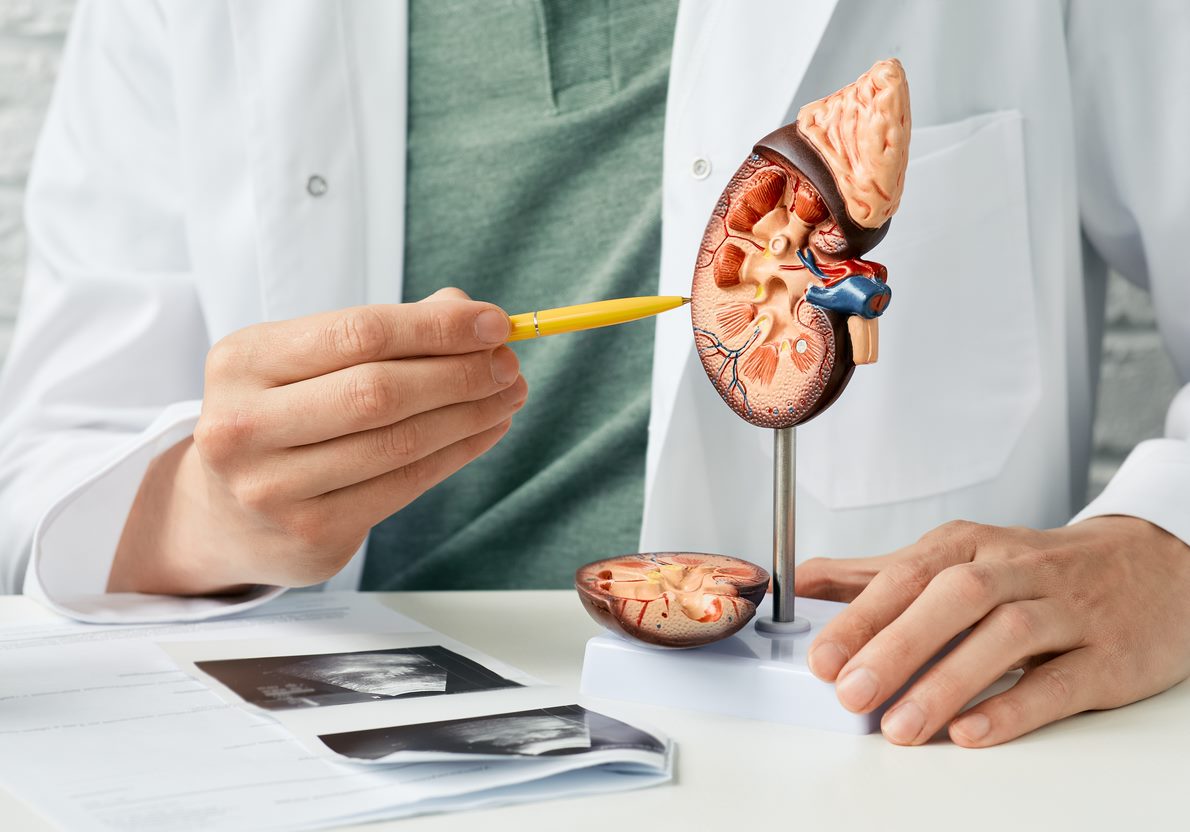
Following a kidney transplant, patients will need to follow a range of instructions in order to prevent their body from rejecting the new kidney.
What is “organ rejection”?
Transplanted organ rejection occurs when the body’s immune system identifies the newly transplanted organ as foreign and attacks the organ or its tissue.
There are two main types of organ rejection: acute and chronic. Acute rejection usually happens within the first year and is treatable when caught. Chronic rejection happens more slowly and is harder to treat.
How to Prevent Organ Rejection
In order to prevent organ rejection from happening, your doctor will advise you to do a couple of things. First, you’ll take anti-rejection medications that will suppress your immune system and prevent your body from attacking the new organ. Second, you’ll see a physician for routine follow-up involving lab testing and clinical visits to ensure your new kidney remains functional. Third, your doctor may recommend lifestyle adjustments including changes in diet, exercise, and weight management.
Additionally, the medications that prevent your body from rejecting its new organ will also lower your immune system, which will leave you more vulnerable to infection. Following your doctor’s advice could be critical to prevent dangerous infections.
If you notice signs of organ rejection, immediately contact your physician for treatment.
Signs of Organ Rejection:
• Fever (higher than 100 degrees Fahrenheit)
• Flu-like symptoms
• Tenderness or pain around the kidney
• Swelling
• Sudden weight gain
• Decreased urine output
For further consultation regarding post-kidney transplant management, make an appointment to see board-certified nephrologist, Sudip Ghimire, MD of TPMG Nephrology. To schedule an appointment, call (757) 599-3436.